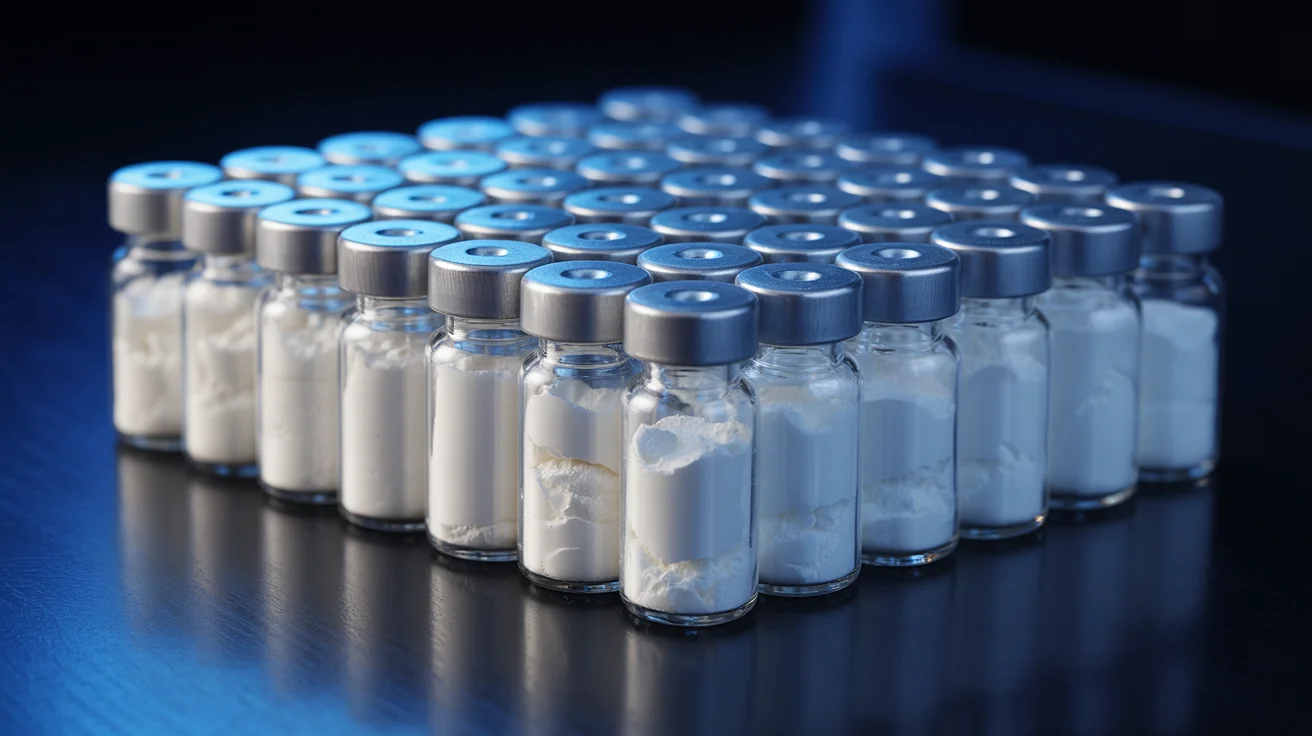
GHK-Cu Copper Peptide Research Hub
GHK-Cu copper peptide research hub. Topics include collagen synthesis and skin remodeling. We also cover wound healing, antioxidant activity, and hair growth. Each section reviews gene-expression modulation studies with citations.
GHK-Cu Research research, in plain language. We read the studies, gather the data, and lay them out so you can see the evidence at a glance. Each link points back to the source so you can check the work.
Last updated Reviewed by the Research Vials Editorial Team
 100% USA-Based
Managed, Tested & Shipped Domestically
100% USA-Based
Managed, Tested & Shipped Domestically
GHK-Cu Research at a glance
This site is a research hub for GHK-Cu Research. We read the studies, sort the data, and write it up in plain words. Each page links back to the original paper so you can check the work.
You will find what GHK-Cu Research is, how it works in the body, and what trials show. We list the dosing data, the side-effect notes, and the storage rules. We also list what we do not yet know.
Use this site to start your reading. Click a study to read the full paper. Click a peptide name to see the next layer of detail. Nothing here is medical advice.
If you spot a paper we missed, the contact page is open. We update the site as new work lands.
Featured Research
In-depth profiles with mechanisms of action, key findings, and peer-reviewed citations.
Latest Research Articles
6 deep-dive articles from the System Peptides Research Network.
Research Applications
Key research categories and applications studied in the scientific literature.
Skin & Soft Tissue
Known as a potent, naturally occurring peptide that boosts collagen, enhances firmness, and accelerates wound healing — the gold standard for skin remodeling research.
Anti-Aging & Longevity
A potent repairing peptide that increases collagen production, improves skin elasticity, and reduces inflammation, promoting both aesthetic and systemic healing in aging research.
Recovery & Healing
Excellent for wound healing, skin remodeling, and decreasing inflammation — supporting tissue repair research across multiple organ systems.
Immune Support
Supports immune balance, reduces inflammation, and facilitates wound healing through modulation of gene expression in over 4,000 human genes.

100% USA-Based Peptide Research
Managed, tested, and shipped entirely within the United States
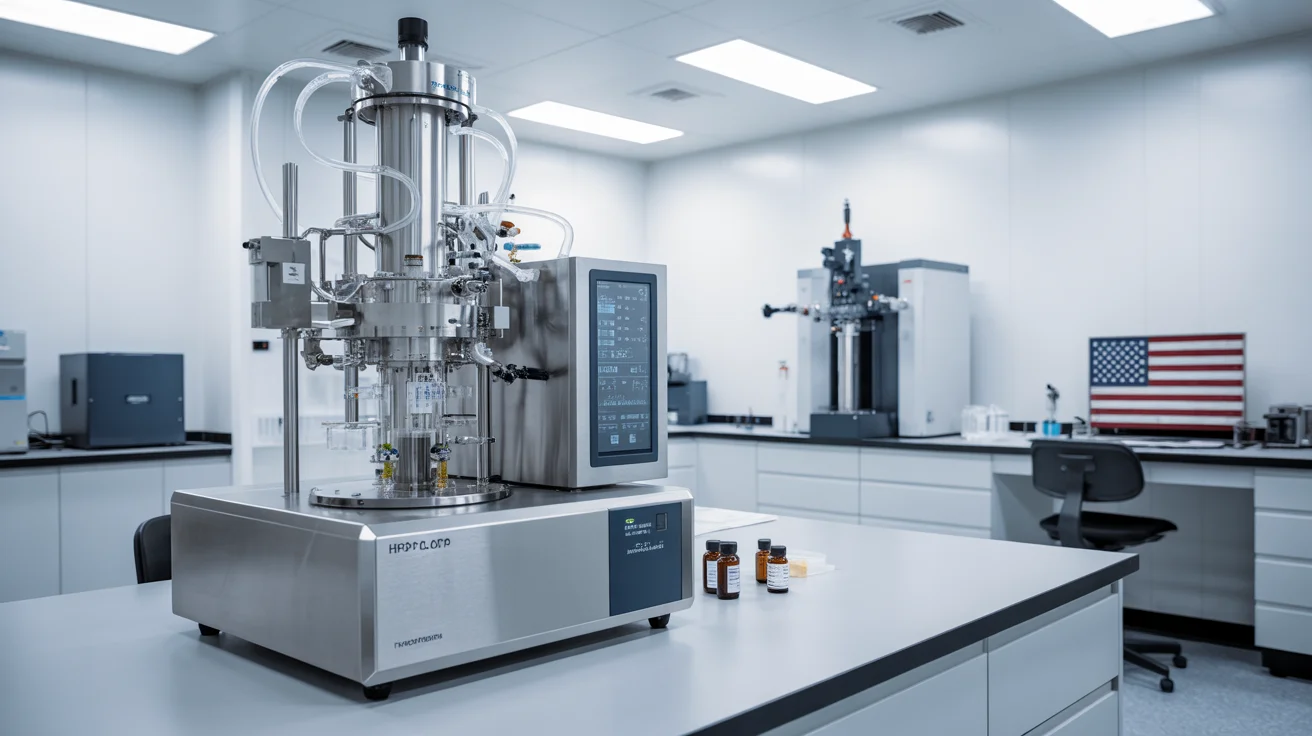
Why US-Sourced Research Peptides Matter
Research Vials is a 100% USA-managed peptide research supplier. We test and ship every product inside the United States. The quality chain stays domestic at every step. That covers synthesis oversight, third-party HPLC testing, lyophilization, climate-controlled storage, and cold-chain delivery. No overseas middlemen broker our inventory. No imported product is relabeled as domestic. Researchers get a clear US chain of custody. Each vial moves from factory to lab bench without leaving the country.
US-Accredited Lab Testing
US-accredited third-party labs verify every batch. These labs are independent. They have no financial ties to the manufacturer. Each Certificate of Analysis comes from a domestic lab. That lab works under ISO 17025-aligned quality standards. The FDA uses the same framework for its referenced testing facilities. Overseas suppliers often share self-reported purity numbers. Our US-accredited COAs are different. Each one carries a chain-of-custody record, signed analyst credentials, and calibrated HPLC data. Researchers can cross-reference each COA against batch numbers and production dates.
98-99%+ Purity Standard
HPLC-verified purity of 98-99%+ is the Research Vials standard. Every lot is also confirmed by mass spectrometry against the expected molecular mass. Imported peptides commonly test at 85-95%. That 3-14 percentage-point gap corrupts research data. Residual synthesis byproducts at that level cause real problems. They confound dose-response curves. They trigger off-target receptor binding. They can invalidate dozens of treatment conditions in a single study. Batch purity data appears on every Certificate of Analysis before shipment. You see the numbers before problems emerge in the lab.
Domestic Cold-Chain Shipping
Temperature-controlled US logistics moves every vial from cold storage to your research lab. Shipments never cross an international border. International peptide shipments often sit in customs for 5-14 days. They face uncontrolled warehouse temperatures above 40°C. Many arrive with degraded active compound. Domestic cold-chain shipping keeps lyophilized peptides below 4°C the whole way. That preserves the disulfide bonds and tertiary structure. Those structures determine biological activity. Vials reach the lab bench in 2-5 business days.
Best Value for Premium Grade
US-tested peptides win on price once you count the cost of failed experiments. A single invalidated 12-sample dose-response study can cost more than a full year of premium peptides. Research Vials prices are transparent. We charge no hidden customs fees. We pass on no import delays. We add no relabeling surcharges. Verified 98-99% purity at a fixed US price means predictable experiment budgets. That is the opposite of the lot-to-lot variability you see with imported peptides.
Transparent COA Verification
Each Research Vials shipment includes a batch-specific Certificate of Analysis. US-accredited independent laboratories issue every COA. Researchers can view the document before purchase. Each COA publishes three things. First, the full HPLC chromatogram with peak retention time and integration area. Second, the mass spectrometry fragmentation pattern that confirms molecular identity. Third, the endotoxin concentration in EU/mg. We never substitute self-certified paperwork from unaccredited overseas labs. The lot number on every vial matches the COA batch identifier. That makes chain-of-custody verification a two-minute task.
Never Imported, Never Compromised
Every Research Vials product stays inside the United States. We manage, quality-control, store, and fulfill domestically. No foreign intermediaries touch the inventory. No relabeled imports enter the fulfillment pipeline. Each vial has a batch number that links to two records. The first is a US-tested purity report. The second is a climate-controlled storage history. Researchers see a single verifiable provenance record. That includes the country of synthesis, the lot of analysis, and the shipment temperature log. Overseas-sourced peptides usually arrive with opaque reshipment chains instead.
Frequently Asked Questions
Common questions about ghk-cu research research, purity standards, and sourcing.
What is GHK-Cu?
GHK-Cu (Glycyl-L-Histidyl-L-Lysine:Copper(II)) is a naturally occurring copper-binding tripeptide found in human plasma, saliva, and urine. It declines with age and is studied for its roles in collagen synthesis, wound healing, anti-inflammatory activity, and gene expression modulation.
What does GHK-Cu research show?
Research shows GHK-Cu stimulates collagen types I, III, and V synthesis, promotes decorin production, attracts immune cells to wound sites, and modulates over 4,000 human genes — many involved in tissue repair and anti-inflammatory pathways.
How is GHK-Cu used in research?
GHK-Cu is studied in topical formulations for skin remodeling research, injectable formulations for systemic wound healing studies, and in vitro cell culture models for gene expression and signaling pathway analysis.
Research Resources
Internal references and authoritative external resources for ghk-cu research research design.
On this site
- Research methodology overview
- How to read a peptide COA
- Dosing reference calculator
- Frequently asked questions
- About this resource
- Research-use disclaimer
- Peptide syringe compatibility research reference
- Peptides liver function research
- Peptide synergy conflict map
- Essential peptides anti aging longevity research
- Ai peptide discovery machine learning research
- Peptide research trends 2026
External peer-reviewed sources
Ready to Start Your Research?
Browse our complete research library or source US-tested peptides at competitive rates from Research Vials.
100% USA-managed. US-accredited lab COAs. Domestic cold-chain shipping. Best value for premium grade.
Explore the System Peptides Research Network